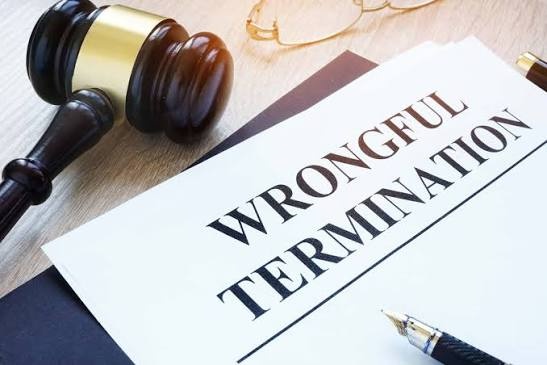
Being dismissed from a job can create immediate financial pressure and uncertainty about the future. While employers generally have broad authority to make staffing decisions, that authority is not unlimited. Federal, state, and local laws can protect employees from termination based on discrimination, retaliation, whistleblowing, protected leave, or other unlawful reasons.
In 2026, workplace disputes are also evolving as employers increasingly use artificial intelligence, remote-work policies, performance-monitoring technologies, and data-driven employment practices. Employees who believe their rights have been violated may consider a wrongful termination lawsuit, but taking legal action requires more than simply showing that a termination felt unfair. Understanding the circumstances, evidence, and potential damages is essential before moving forward.
A termination is not automatically illegal simply because an employee disagrees with the employer's decision. Employers may have legitimate reasons for ending employment, including poor performance, misconduct, restructuring, or financial difficulties.
However, legal concerns may arise when the real reason for termination involves prohibited conduct. Potential examples include:
The specific protections available depend on the employee's circumstances and the laws applicable to the workplace.
Employees considering legal action should preserve relevant information as soon as possible. Workplace disputes often depend on establishing a clear timeline and comparing the employer's stated reason for termination with what actually occurred.
Potentially useful evidence can include:
For example, if an employee receives consistently positive performance reviews and is suddenly dismissed shortly after making a protected complaint, those records could become relevant to an attorney's evaluation of the case.
Employees should also avoid deleting messages or documents that could later become important evidence. Legal counsel can provide guidance about preserving information appropriately.
The process for pursuing an employment claim varies depending on the allegations and jurisdiction. Some disputes require an employee to file an administrative charge with a government agency before proceeding to court.
An attorney may first review the circumstances surrounding the termination, identify potentially applicable laws, and determine whether administrative requirements or filing deadlines apply.
If the matter proceeds into litigation, the parties may exchange documents, interview witnesses, conduct depositions, and present arguments concerning the employer's actions. Settlement discussions can also occur at different stages of the dispute.
Employees researching a wrongful termination lawsuit should therefore understand that filing a claim is only one part of the overall process. Evidence, deadlines, legal requirements, and the strength of the underlying allegations can all affect the outcome.
A disputed termination can affect far more than an employee's immediate paycheck. A lengthy period of unemployment may interfere with career progression, benefits, retirement contributions, and future earning opportunities.
Depending on the circumstances and applicable law, potential damages may include:
Compensation may account for income and certain employment benefits lost after the termination.
If an employee experiences prolonged difficulty returning to comparable employment, future income losses may become an important consideration.
Certain employment claims may allow compensation for emotional harm associated with unlawful workplace conduct.
In appropriate circumstances, reinstatement may be available as a legal remedy.
Some employment statutes permit successful claimants to seek recovery of qualifying attorney fees and litigation costs.
The availability and calculation of these remedies depend heavily on the facts and applicable law.
When a termination produces substantial career disruption, determining future employability can become complicated. An individual may find another job but still experience reduced earning capacity because of lost career progression, diminished opportunities, or changes in occupational direction.
Vocational professionals can examine an individual's education, employment history, skills, work abilities, occupational background, and labor market opportunities. Their analysis may help attorneys understand whether comparable employment is realistically available.
This type of evidence can be particularly relevant when a legal dispute involves questions about future employability or earning capacity. A professional evaluation may provide an objective perspective rather than relying solely on assumptions about what employment an individual could obtain.
Employment disputes are increasingly influenced by technological and organizational changes. Artificial intelligence is being incorporated into recruitment, performance management, scheduling, and workforce decisions, creating new questions about transparency, bias, and accountability.
Remote and hybrid employment also continue to change how employers monitor productivity and evaluate performance. Digital communications, employee-monitoring systems, and workplace data can become important evidence when employment decisions are challenged.
At the same time, employees and employers are paying greater attention to retaliation claims, disability accommodations, workplace discrimination, and compliance with changing employment regulations.
These developments make accurate documentation increasingly important for both sides of an employment dispute.
Individuals who believe their employment ended unlawfully should consider taking practical steps before making major decisions.
First, preserve relevant employment records and create a timeline of important events. Next, review any employment agreements and workplace policies that may apply. Employees should also identify the stated reason for termination and compare it with documented events leading up to the dismissal.
Consulting a qualified employment attorney can help determine whether a potential claim exists, which deadlines apply, and what remedies may be available. Acting promptly is important because employment laws can impose strict deadlines for administrative complaints or court filings.
Employment termination disputes can involve complex legal, financial, and career-related issues. A decision that initially appears to be an ordinary personnel action may raise significant legal questions when discrimination, retaliation, contractual obligations, or protected workplace activities are involved.
Anyone considering a wrongful termination lawsuit should focus on gathering reliable evidence, understanding applicable deadlines, and obtaining qualified legal advice. As employment practices continue evolving in 2026, careful documentation and objective analysis can help employees and their legal representatives better evaluate the consequences of a disputed termination and pursue appropriate remedies.

This post has been authored and published by one of our premium contributors, who are experts in their fields. They bring high-quality, well-researched content that adds significant value to our platform.











UK Packages Boxes provides helpful packaging guides, shipping advice, storage solutions, and industry insights for businesses and individuals across the UK.