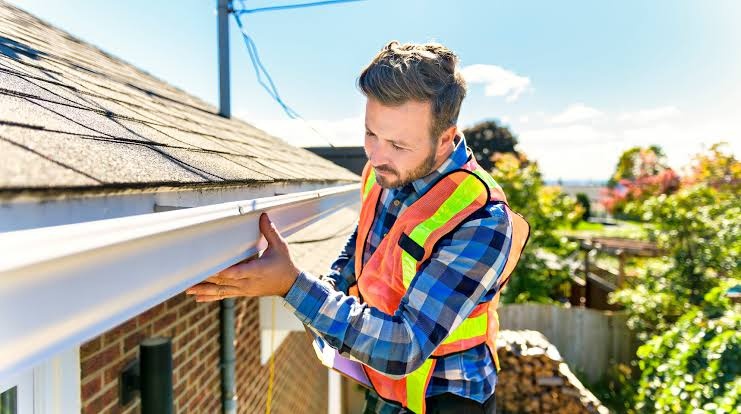
Florida homeowners know that severe weather can put significant pressure on residential properties. Strong winds, tropical storms, and hurricanes can damage roofs, openings, and other vulnerable areas of a home. Because of these risks, homeowners are increasingly interested in understanding how their properties are designed and maintained to resist wind-related damage.
A wind mitigation inspection florida evaluation provides useful information about features that may help a home withstand high winds. It can also provide documentation that an insurance company may request when reviewing a homeowner's policy. Understanding what this inspection covers can help property owners make informed decisions about maintenance, upgrades, and insurance documentation.
Wind mitigation refers to construction features and improvements that may reduce a home's vulnerability to wind damage. These features can involve the roof, roof-to-wall connections, roof geometry, secondary water resistance, windows, doors, and other components.
Florida homes vary significantly in age, construction methods, and design. Some properties may already have several wind-resistant characteristics, while others may benefit from improvements.
An inspection helps document observable features rather than guaranteeing that a property will avoid damage during a hurricane or severe storm.
Florida's exposure to hurricanes makes wind resistance an important consideration for residential property owners. Even homes located away from the immediate coastline can experience strong winds and flying debris during major storms.
A wind mitigation inspection florida report can help document qualifying construction features for an insurance review. However, homeowners should remember that insurance requirements, eligibility criteria, and potential premium reductions vary by insurer and policy.
Before scheduling an inspection, it is smart to ask the insurance company which documentation it currently requires.
The inspection focuses on specific characteristics that may influence a home's ability to resist wind forces. Depending on the applicable inspection form and property characteristics, areas of interest may include several important features.
The roof plays a major role in protecting the home from weather. Inspectors may document the roof's shape, covering characteristics, and observable features relevant to wind resistance.
Certain roof designs can perform differently under wind pressure. Proper installation and maintenance are also important considerations.
The connection between the roof structure and the walls is another significant area. Stronger connections can help transfer wind forces through the structure and toward the foundation.
During an inspection, accessible connection characteristics may be documented when they can be reasonably observed or verified.
The method used to attach the roof deck can also be relevant. Properly secured decking may provide additional resistance against wind forces and help protect the building envelope.
Some features may not be visible without access to appropriate areas, so inspectors may rely on documentation, permits, construction records, or other acceptable evidence when applicable.
Some Florida homes include secondary water-resistant features beneath the primary roof covering. These systems can provide an additional layer of protection against water intrusion if portions of the roof covering become damaged.
Whether a particular feature qualifies depends on the applicable requirements and how the property was constructed.
Exterior openings can represent vulnerable points during severe wind events. Inspectors may document characteristics of windows, exterior doors, garage doors, and other openings.
Impact-resistant products, protective systems, or approved assemblies may provide additional protection, depending on their design and installation.
One of the most useful aspects of a mitigation inspection is documentation. Homeowners may know that their property includes certain upgrades but may not have the information needed to demonstrate those features.
Permits, construction records, product approvals, photographs, and other documentation may help verify specific characteristics when appropriate.
Keeping these records organized can make future maintenance, renovations, insurance conversations, and property transactions easier.
There is no single perfect time for every homeowner. Some people schedule an inspection when purchasing a property, while others do so when reviewing their insurance documentation.
It can also be useful after completing qualifying improvements. For example, a homeowner who replaces a roof or upgrades exterior openings may want to determine whether the changes affect the property's documented wind-resistant features.
If you are preparing to sell a home, having current information about its construction features may also help you answer questions from prospective buyers.
A wind mitigation inspection documents existing features; it does not automatically make a home more resistant to hurricanes.
If an inspection identifies areas where improvements may be beneficial, homeowners should consult appropriately licensed contractors or specialists. Potential upgrades could include improvements to roof connections, opening protection, garage doors, or other components.
Any modification should be evaluated based on the home's construction, applicable building requirements, budget, and professional recommendations.
Experience matters when selecting an inspector. Florida properties can contain a wide range of construction methods and hurricane-resistant features, and proper documentation requires careful attention to detail.
Homeowners should choose a qualified professional who understands the applicable inspection requirements and can clearly explain what was observed and what supporting documentation may be needed.
It is also important to distinguish a mitigation inspection from a complete home inspection. A full home inspection evaluates a much broader range of accessible components, while wind mitigation focuses specifically on wind-resistant characteristics.
A wind mitigation inspection florida service can provide homeowners with valuable information about their property's wind-resistant construction features. More importantly, it can encourage a proactive approach to property maintenance and storm preparedness.
Homeowners should review their insurance requirements, maintain important construction records, and address maintenance concerns before hurricane season. While no inspection can guarantee protection from severe weather, understanding a property's strengths and vulnerabilities is an important part of responsible homeownership.
In 2026, Florida homeowners have more reason than ever to take a proactive approach to storm readiness. A wind mitigation inspection florida evaluation can be one useful step toward understanding the property, organizing documentation, and making informed decisions about future improvements.

This post has been authored and published by one of our premium contributors, who are experts in their fields. They bring high-quality, well-researched content that adds significant value to our platform.










UK Packages Boxes provides helpful packaging guides, shipping advice, storage solutions, and industry insights for businesses and individuals across the UK.
